

Research in Agricultural Economics
The diversity of agriculture and agribusiness enterprises in Texas provides opportunities for a wide variety of research. We conduct impactful, relevant and innovative research at the intersection of agriculture and the environment, promoting long-term sustainability of social, ecological and food systems.
Our faculty experts receive approximately $2 million in private and federal grants each year to conduct multidisciplinary research, making them a gateway for science-based policy. Thanks to the dedicated work of our faculty to publish and disseminate their findings, our department is among the top five in the country in research output in our discipline.

Centers and research labs
Our centers conduct innovative research to contribute information relating to key agribusiness market issues.
- Agribusiness, Food and Consumer Economics Research Center
- Agricultural and Food Policy Center
- Center for North American Studies
- Program on Conflict and Development
- Human Behavior Lab
Areas of Research Expertise
Our faculty represent a community of scholars who are conducting extensive research programs in a variety of program areas, collaborating with colleagues across the world from different disciplines.
The department is also home to a vibrant array of research labs and groups that fuel innovation and advance knowledge in various fields of Agricultural Economics. These dynamic spaces provide students and faculty with opportunities to collaborate on groundbreaking projects, from cutting-edge agricultural engineering advancements to sustainable natural resource management solutions.
Agribusiness
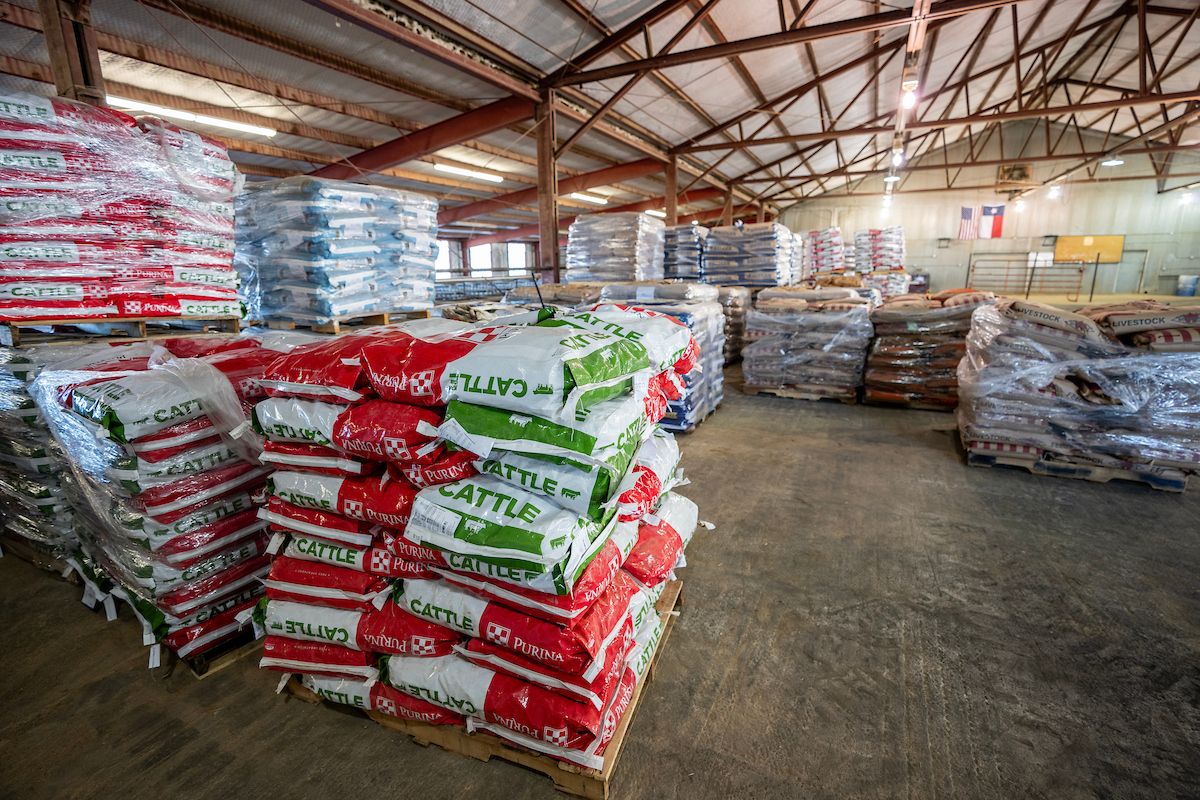
Agribusiness as an area of research delves into the intricate relationship between agriculture, business, and technology, focusing on optimizing the production, processing, and distribution of agricultural products. This multidisciplinary field encompasses a wide range of topics, from sustainable farming practices and food security to supply chain management and the economic impacts of agricultural policies, aiming to enhance efficiency and sustainability in the global food system.
Agricultural Finance and Investment
Agricultural finance studies the financial markets and institutions that serve the agricultural sector. This field is concerned with the flow of funds to and from the agricultural sector, and with the risks and returns associated with agricultural investments.
Faculty in Agricultural Finance and Investment:
Agribusiness Management
Agribusiness management is the application of business principles and practices to the agricultural sector, and encompasses a wide range of activities.
Faculty in Agribusiness Management:
Agribusiness Strategy
Strategy is the long-term plan that a business in the agricultural sector has in place to achieve its goals. Strategy requires identifying the business’s strengths, weaknesses, opportunities, and threats, and then developing a plan to capitalize on its strengths and opportunities while mitigating its weaknesses and threats.
Faculty in Agribusiness Strategy:
Supply Chain Management
Supply chain management in agribusiness involves coordinating and executing the flow of goods and services from the point of production to the point of consumption in the agricultural sector. This includes managing the relationships between all of the businesses involved in the supply chain, from farmers and ranchers to food processors and retailers.
Faculty in Supply Chain Management:
Applied Market Analysis
This field of study empowers students to acquire expertise in various crucial areas, including market and demand analysis, product valuation, the utilization of directed acyclic graphs in economic analysis, commodity futures and options, information acquisition, price dispersion, industrial organization, and auctions.
Agricultural Law
Agricultural law is the body of law that governs the production, processing, and marketing of agricultural products. It is a complex and diverse field of law, encompassing a wide range of topics.
Faculty in Agricultural Law:
Agricultural Marketing
Agricultural marketing is the process of moving agricultural products from the farm to the consumer. It involves a variety of activities.
Faculty in Agricultural Marketing:
Agrifood Business Sales
Agri-food business sales involves selling agricultural products, services, and equipment to businesses across the food supply chain, including food service and the businesses that support them. This critical field ensures that businesses have access the inputs they need to produce food and other agricultural products.
Faculty in Agrifood Business Sales:
Agricultural Policy
Agricultural policy is a set of laws and regulations that governments use to influence the production, processing, and distribution of agricultural products. Agricultural policies can be designed to achieve a variety of goals.
Faculty in Agricultural Policy:
Behavioral and Experimental Economics
Behavioral Economics combines insights from psychology and other social sciences to study why people actually make economic decisions.
Faculty in Behavioral and Experimental Economics:
Community Economics
Community economics is an economic system that prioritizes the needs and well-being of the community over the accumulation of individual wealth. It is based on the principles of cooperation, sustainability, and social justice.
Faculty in Community Economics:
Crop Insurance and Risk Management
Crop insurance is a type of insurance that protects farmers from financial losses due to crop failure. It is a risk management tool that can help farmers to maintain a stable income and to protect their investments in agriculture.
Faculty in Crop Insurance and Risk Management:
Demand Analysis
Demand analysis is the process of understanding and predicting the demand for a product or service. It can help businesses of all sizes make informed decisions about pricing, marketing, and product development.
Faculty in Demand Analysis:
Health Economics
Health economics applies economic theory to the production and consumption of health and healthcare. It is concerned with the efficiency, effectiveness, value, and behavior of individuals, healthcare providers, insurers, government agencies, and public and private organizations in health and healthcare.
Faculty in Health Economics:
International Development
Development generally refers to the process of improving the well-being of people and societies, but can be defined in many different ways depending on the context. It can involve economic growth, social progress, environmental sustainability, and political stability.
Faculty in International Development:
International Trade
International trade is the exchange of goods and services between countries, a key driver of economic growth and prosperity around the world. Countries specialize in the production of goods and services that they are relatively good at producing, and import goods and services that they are relatively bad at producing, leading to increased efficiency and productivity and lower prices for consumers.
Faculty in International Trade:
Livestock Economics
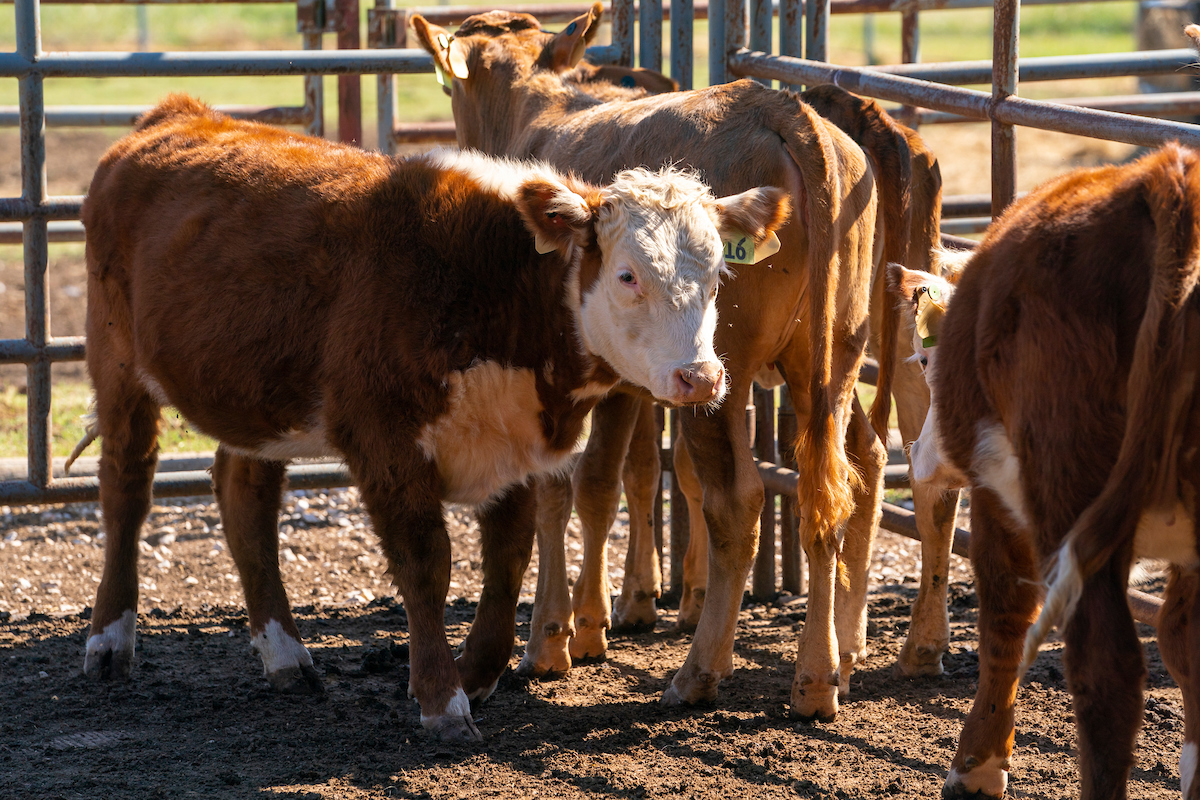
Livestock economics is the study of the production, processing, and marketing of livestock and livestock products. It is a subfield of agricultural economics, and it encompasses a wide range of topics.
Faculty in Livestock Economics:
Quantitative Methods
Quantitative methods are research methods that involve the collection and analysis of numerical data. They are used to study a wide range of phenomena, including human behavior, social processes, and physical systems. Quantitative methods are based on the assumption that the world can be measured and that these measurements can be used to understand the world.
Faculty in Quantitative Methods:
Natural Resource and Environmental Economics
This research is dedicated to assessing the utilization, transfer, and allocation of natural resources, contributing valuable insights to inform environmental policies and strategies for natural resource management. Through this specialization, students will gain expertise in the application of economic tools and theories to promote the health and sustainability of our natural world.

Climate Change in Agriculture
Climate change in agriculture refers to the impact of climate change on agricultural production and the agricultural sector as a whole. Climate change is causing a number of concerns including rising temperatures, more extreme weather events, and changes in precipitation patterns. These changes are having a significant impact on agriculture, both in terms of crop production and livestock production.
Faculty in Climate Change:
Nonmarket Valuation and Environmental Economics
Nonmarket valuation is the process of estimating the economic value of goods and services that are not traded in markets. This includes environmental goods and services, such as clean air and water, biodiversity, and ecosystem services. Nonmarket valuation is important because it allows us to quantify the benefits of environmental protection and to make informed decisions about how to allocate resources.
Faculty in Nonmarket Valuation:
Water Economics
Water economics is the study of how water resources are allocated, used, and valued. It is a field that combines economics with hydrology and other environmental sciences to understand the relationship between water and human society.
Faculty in Water Economics: